By: Iris Pase, founder of Pillow Talk Scotland
Conversations about hormonal contraception rarely begin and end at a healthcare appointment.
They happen in group chats, over coffee with friends, on Reddit threads, in TikTok comments and around kitchen tables. People compare side effects, wonder whether the pill changed their mood, recommend the implant to someone who’s struggling, or question whether they were ever told everything they needed to know before starting contraception.
Some of those conversations are reassuring. Others leave people with more questions than answers.
At Pillow Talk Scotland, we’ve been hearing these stories for years. Through our workshops, reading groups and community events, people have spoken openly about contraception that transformed their quality of life, methods they stopped because of difficult side effects, and appointments where they left feeling they hadn’t had enough time or information to make a decision they felt confident in.
One thing has become clear: people don’t just want more information. They want somewhere they can ask questions, share experiences and hear from others without feeling judged or dismissed.
That’s where OnlyFacts began.
Listening before producing resources
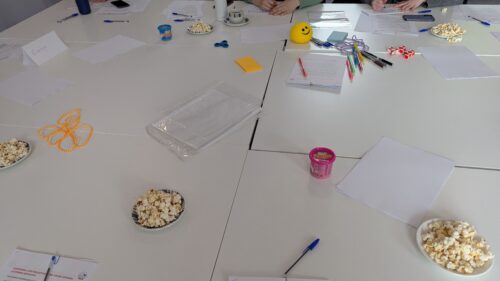
From a Listening Session at Glasgow Women’s Library on 4 June
OnlyFacts looks at how people aged 18-30 make decisions about hormonal contraception, where they get information from, and what happens when that information conflicts.
Someone might hear one thing from a GP, another from a friend, and something completely different on TikTok or Reddit. Personal experiences can be useful, especially when they fill gaps left by short appointments or limited local services, but they can also be difficult to assess. What applies to one person may not apply to another, and confident claims can travel much further online than careful explanations.
We want to understand how people navigate that. Which sources do they trust? What makes them question the advice they have received? What information do they wish had been available earlier?
The first stage of the project is a series of listening sessions across Scotland, giving people space to talk through those experiences in their own words.
Creating space for conversations that don’t usually happen
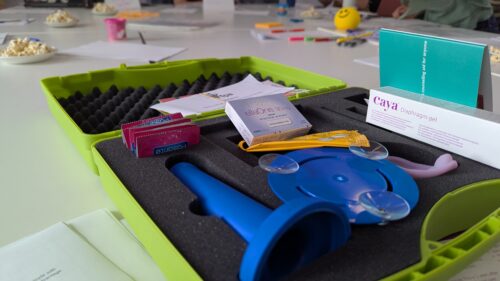
From a Listening Session at Glasgow Women’s Library on 4 June
The sessions are deliberately informal. There are no presentations, no quizzes and no expectation that participants are experts.
We’ll be talking about experiences of hormonal contraception, information people have come across online and offline, conversations with healthcare professionals, and what they wish they’d known before starting contraception.
Some people may have loved the pill. Others may have found that a hormonal coil finally eased years of painful periods. Some may have stopped hormonal contraception altogether. Others may simply be trying to work out what option feels right for them.
All of those experiences matter.
Everything shared during the sessions will be anonymised and used to shape a community zine about hormonal contraception and informed choice, alongside recommendations for healthcare professionals and NHS Boards.
Later this year, around 15 participants will also be invited to join a paid co-design group to help create the zine itself, ensuring the final resource is built with communities rather than for them.
Join the conversation
We’re currently looking for people aged 18-30 living in Scotland to join one of our upcoming listening sessions.
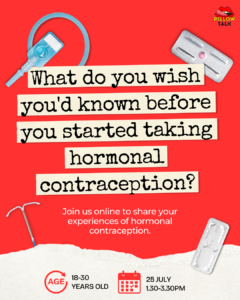
Online – Friday 25 July, 1.30-3.30pm
Open to anyone in Scotland who would prefer to take part online.
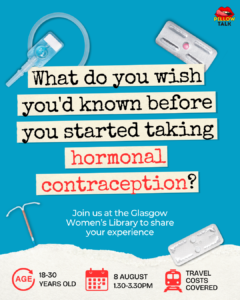
Glasgow – Saturday 8 August, 1.30-3.30pm
Hosted at Glasgow Women’s Library.
To find out more or book a free place, visit Pillow Talk Scotland’s Eventbrite page or email iris@pillowtalk.scot.