

Carers congregate at the entrance to Edinburgh Castle in advance of a protest march to the Scottish Parliament.
This week (8 – 14 June) marks Carers Week, an annual campaign to raise awareness of caring, highlight the challenges unpaid carers face and recognise the contribution they make to families and communities throughout the UK.
At VOCAL, we’re calling for recognition of, and practical support for unpaid carers, as new evidence shows unpaid caring is pushing too many people into poverty.
17 years on from the 2009 carers poverty protest in Edinburgh, where 50% of carers said they were experiencing financial issues, the figures on carer poverty have not changed.
What causes carer poverty?
Carers UK found that in 2024, the poverty rate for carers is 56% higher than for non-carers. For those in deep poverty, this figure rises to 60%.
Unpaid carers are often carrying higher household costs, cutting back on paid work, and spending more on fuel, transport, food and equipment. For many, the cost of living crisis comes on top of the cost of caring, creating intense pressure on family finances and wellbeing. Over the past few years, we’ve seen demand for our financial wellbeing support continue to rise.
We recently brought carers, staff and partner organisations together at its Cost of Unpaid Caring event to explore the causes of carer poverty and the changes needed locally and nationally.
A widening health inequality
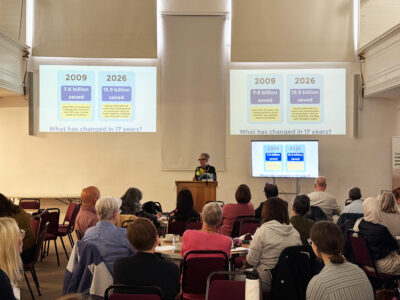
Carer Poverty Event, June 2026
Poverty is one of the strongest drivers of poor health. When carers experience financial hardship, it doesn’t just affect their income, it impacts their wellbeing, resilience, and access to the essentials of a healthy life.
Going without enough food, living in a cold home, or struggling to afford transport to appointments all have well-established impacts on physical and mental wellbeing. Financial stress can increase anxiety, reduce quality of life, and make it harder for carers to maintain their own health while supporting someone else.
We asked carers and carer support professionals at our event which areas they would like to see prioritised in preventing carer poverty. The top three were:
· Paid carers leave from employers
· Minimum income guarantee for carers, reflecting the true cost of caring (supported by Citizens Advice campaigning)
· Free Power of Attorney and Guardianship, with standardised processes
The following areas were also important to carers:
· A National Carer Assistance fund to sensitively provide carers with grants to pay for essentials like food, heating and transport.
· Encouraging all employers to improve their carer policies, advocate for better social care services, and offer paid carer’s leave.
· Lobbying the Scottish government to considerably increase the weekly amounts of benefits for carers and disabled people, to lift people out of poverty.
· Campaigning for support with the cost of Power of Attorney.
· Pushing for the Scottish government to end social care charges.
· Better quality research into how the Minimum Income Standard would apply to unpaid carers and the people they care for.
· Carers Act funding to be spent more transparently on carers’ needs.
If we reduce financial strain on carers, we support their health and wellbeing, sustain caring relationships, and ease pressure on health and social care systems.

You can read more about their Cost of Unpaid Caring report here.