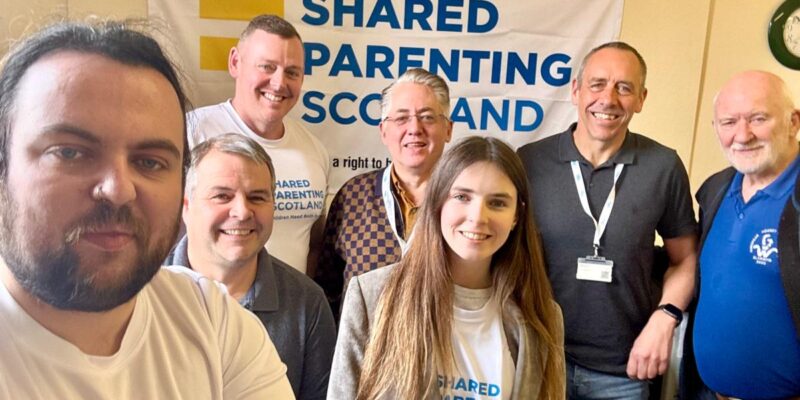
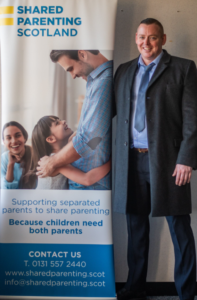
 My name is Kevin Kane. I have been Chief Executive of Shared Parenting Scotland for just over a year. Our work supporting separated families across Scotland through a daily helpline and local support groups gives us insights into where systems are working and where they are not.
One issue that stands out consistently in our casework is parents being unable to access their child’s health information after separation. It is often treated as a matter only for parents to resolve. However, it should be understood as a child health issue.
Children in separated families frequently move between households. Safe, consistent care depends on both parents being properly informed. Yet we regularly hear from parents who are denied access to basic health information – appointments, diagnosis, prescribed medications – even where there are no safety concerns.
The Family Law (Scotland) Act 2006 is clear. Parents with parental rights and responsibilities should be able to access the information necessary to fulfil those responsibilities. Failure to understand this consistently across GP and dental services is creating tension for parents and health risks for children.
We have supported families where children with complex or ongoing health needs who move between houses, but only one parent has full visibility of treatment plans and medication, or is eligible for funding for equipment.
We do see examples of GP and dental practices working constructively with both parents, recognising their responsibilities and prioritising the child’s needs. However, this good practice appears dependent on local awareness rather than general instruction.
Our 2024 user survey highlighted the scale of the issue with 55% of respondents reporting dissatisfaction with their engagement with their GP.
This points to a wider system challenge in how services engage with separated families.
Current guidance from the General Medical Council in its “0-18” framework is very hands off. It places the onus on parents to share information with one another. In practice, this approach does not reflect the reality of many separated families where communication may be limited and information about their child’s health becomes a form of control. We have had discussions with the GMC about the need to modernise its guidance. A passive stance from services can contribute to fragmented care and even put some children with medical conditions at risk.
There is an opportunity here for policy and practice to align more closely with the principles of child-centred care and whole family support. This includes strengthening awareness among GP and dental practice managers of parental rights and responsibilities and embedding a more patient-based approach to information-sharing.
We are asking the next Scottish Parliament and the GMC to work with us to review and strengthen guidance to better reflect the lived realities of separated families and support more consistent, child-focused decision-making.
Organisations like Voluntary Health Scotland and its broad membership are critical in bringing these issues into focus across the health and social care landscape. Addressing them requires collaboration across policy, practice and the third sector.
EDITOR’S NOTES
If separated parents are interested in any of Shared Parenting Scotland’s training, please more information on New Ways for Families and Love, Loss and Living.
Shared Parenting Scotland helpline can be reached on 0131 557 2440 and info@sharedparenting.scot